Marketing to Drivers: Top Lessons from the Front Lines of Gig Economy Communication
Marketing to drivers breaks down when teams treat them like a desk-based audience. Most outreach gets ignored because it shows up in the wrong place at the wrong time. The issue is not effort, it is misalignment with how drivers operate.
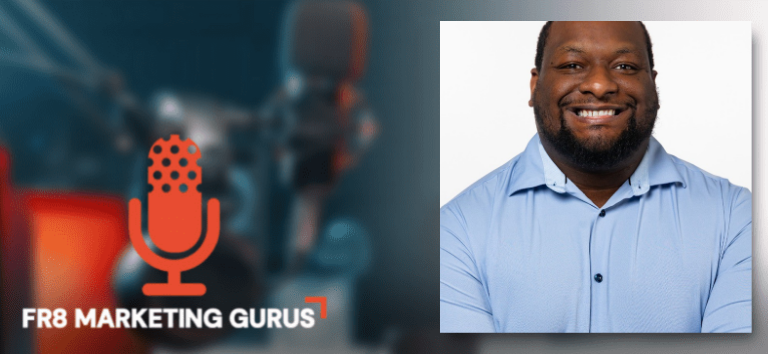
If you want to understand marketing to drivers, forget everything you know about reaching a desk-bound audience. Drivers are mobile, independent, time-pressed, and above all else, they can see right through a sales pitch. Here’s what actually works.
Marketing to drivers is one of the most underestimated challenges in the gig economy. They’re not sitting at a desk waiting for your newsletter. They’re behind the wheel, on an active delivery, deciding whether the next order is worth accepting. Your message has to earn its place in that moment—or it gets dismissed instantly.
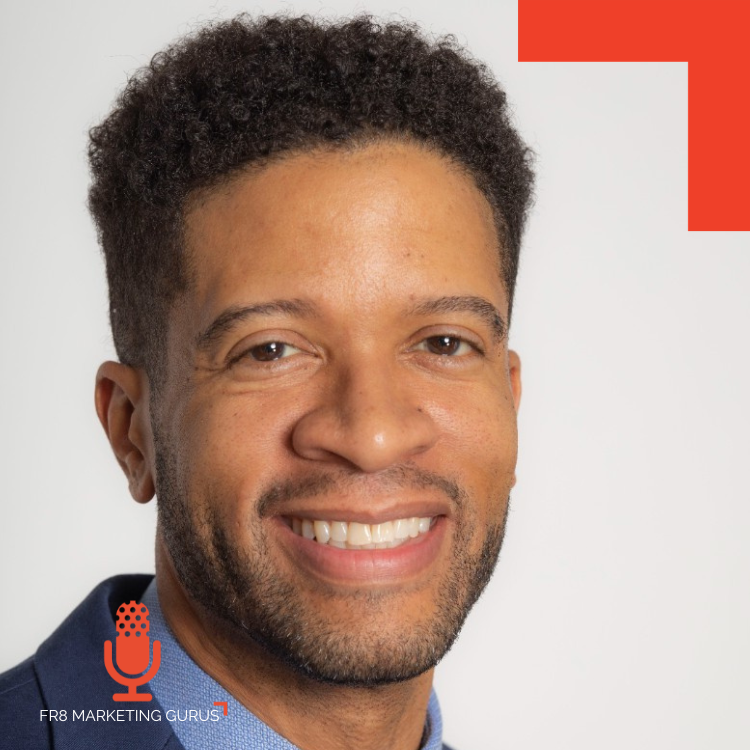
Lamarr Sullivan, Product Marketer and Communication Specialist at Dispatch, knows this better than most. Managing communications to thousands of independent drivers across 80 U.S. markets, he’s built a practical playbook for what effective marketing to drivers really looks like.
Where Marketing to Drivers Breaks Down
The biggest mistake companies make when marketing to drivers is relying on traditional channels built for stationary audiences.
Email inboxes get flooded. Push notifications get dismissed. Most outreach assumes people have time and attention—drivers don’t. If your strategy doesn’t account for that reality, it fails before it starts.
Meet Drivers Where They Already Are
The first rule of marketing to drivers: stop forcing them to come to you.
At Dispatch, shifting from email and landlines to in-app messaging changed everything.
“The vast majority of our drivers prefer in-app messaging because they’re already going to be in the app,” Lamar explains.
This is about intentionality. Your message has to live inside the tools drivers already use. In-app messaging reaches them in context, not as an interruption.
Timing matters just as much. Drivers on active orders won’t stop to read updates. The highest engagement comes when you align communication with natural pauses—log-in moments, between deliveries, or end-of-shift windows.
Why Video Is Critical for Marketing to Drivers
One of the most effective channels for marketing to drivers today is video—specifically short-form video.
“When I ask drivers how they heard about us, they say, ‘I found you on YouTube.’”
Dispatch leans into YouTube Shorts: quick, practical clips answering real driver questions. No overproduction. No corporate polish. Just useful, authentic content.
Driver-generated and driver-featured content performs best. Seeing someone in their van, talking honestly about their experience, builds trust instantly.
This approach works because:
- It meets drivers where they already spend time
- It matches how newer generations consume information
- It builds familiarity before a driver is ready to commit
Done right, video becomes a top-of-funnel engine for driver acquisition.
Paid Channels for Marketing to Drivers (Facebook & Beyond)
For scalable marketing to drivers, Facebook ads still play a critical role—but only if executed with precision.
Because these fall under employment ads, targeting is limited. That means your edge comes from specificity in creative and geography.
“We target about a 30-mile radius and call out the exact vehicle type—cargo vans, pickup trucks, box trucks.”
Generic ads get ignored. Specific ads convert.
- “Cargo van drivers needed in Cleveland” → relevant
- “Earn extra cash” → ignored
Early-stage markets can still benefit from overlooked channels like Craigslist, especially when building initial driver supply.
Driver Retention Starts with Trust and Transparency
Strong marketing to drivers doesn’t stop at acquisition. Retention is where the real ROI lives.
And retention is built on trust.
“Don’t underestimate the drivers. They are smart and business savvy.”
Drivers are running their own businesses. They’re tracking earnings, comparing platforms, and optimizing constantly.
Dispatch reinforces this by:
- Hosting monthly webinars
- Running top driver forums
- Acting directly on feedback (like implementing Instant Pay)
Transparency is the differentiator.
“If a market can’t be successful, I’m not going to tell a driver otherwise.”
That level of honesty builds long-term engagement—and reduces churn.
Measuring What Matters in Driver Marketing
Measuring marketing to drivers requires a different mindset.
Traditional metrics like opens and clicks only tell part of the story.
“If I’m not getting questions in webinars, that means the communication worked.”
Clarity is the goal. Not just engagement.
Other key insights:
- Push notifications underperform compared to in-app messages
- Poor timing kills survey response rates
- Silence can signal success if confusion is eliminated
Understanding why something underperforms is just as important as the metric itself.
The Human Element in Marketing to Drivers
As automation increases, one of the biggest opportunities in marketing to drivers is staying human.
“Drivers really dislike when they get an AI bot in the chat.”
Dispatch maintains human support intentionally. And it stands out.
Drivers dealing with real-time issues don’t want automation—they want resolution.
AI has its place in FAQs and scale. But knowing where human interaction matters most is a competitive advantage.
Final Takeaway: Marketing to Drivers Is About Respect
At its core, marketing to drivers is about understanding and respecting how they operate.
It requires:
- Meeting them in the right channels
- Communicating with clarity and timing
- Treating them like business owners
- Building trust through transparency
Get that right, and drivers won’t just work with you—they’ll advocate for you.
Lamarr Sullivan is the Product Marketer and Communication Specialist at Dispatch, a tech-based last-mile delivery platform operating across 80 U.S. markets. Connect with him on LinkedIn.
FR8 Marketing Gurus
A podcast where freight, logistics, and supply chain leaders come to talk real marketing.